Archive for the ‘Heat Pumps’ Category

Question from Wayland: What Is an Air Source Heat Pump?

Monday, January 2nd, 2012

Most heating systems in Wayland have as their main component some sort of heat generator, such as a furnace or boiler. These machines generate heat through some form of combustion, which obviously converts energy directly to heat, which is then distributed throughout the home. That’s a pretty simplified schematic explanation, but that’s more or less how most heating systems work.

Air source heat pumps are another type of heating solution; one that does not actually produce or generate any actual heat. There is no combustion. What an air source heat pump (ASHP) does instead is regulate the temperature of the home by essentially moving air around.

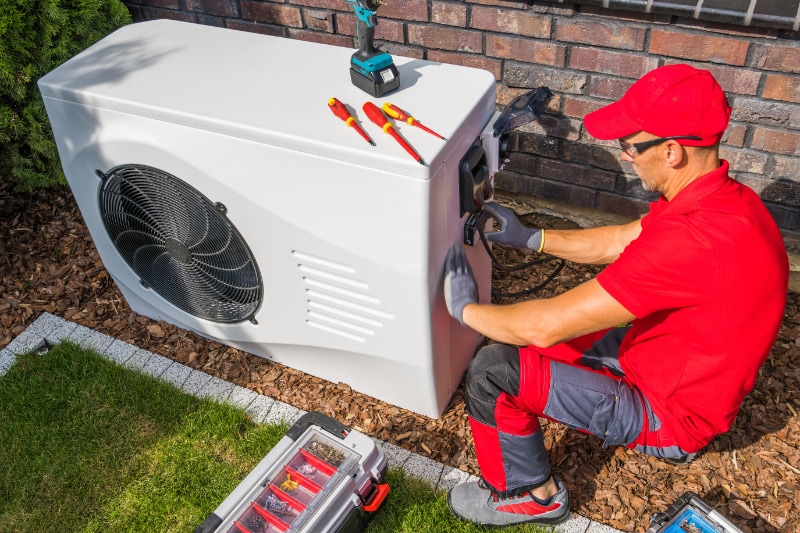
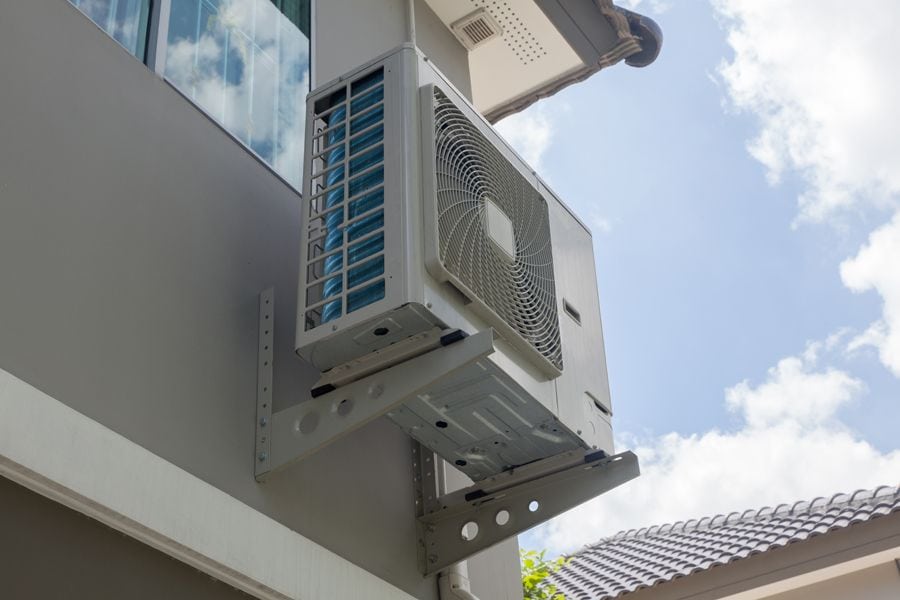
An air source heat pump use electricity to exchange indoor and outdoor air. Think of it like a more versatile air conditioner. In cooling mode, like an air conditioner, an ASHP will pump warm air from the inside out, using a system of refrigerant-filled coils and a compressor. By turning the ASHP to heating mode, the refrigerant flow is reversed, allowing the outdoor coils to extract heat from the outdoor air and pump it in higher concentrations to the inside.

If it seems like a simple system, that’s because it is. All the heat pump does is move heat either in or out, depending on what you need in the current season. Because this process generates no heat on its own, heat pumps can be very efficient. ASHP efficiency has been estimated at 150% to 300%, meaning that the heat energy produced is up to three times as much as the electricity used. That makes for a very efficient home heating and cooling solution.

Air source heat pumps are not necessarily right for every situation, however. In colder climates, like in Wayland, where temperatures drop below 30 degrees Fahrenheit for stretches at a time, a heat pump will likely not be able to keep up on its own. In these situations, you may either need to supplement the ASHP with an additional heating source, or use a different system altogether. Newer so-called “cold climate” heat pumps may also be an option. Under ideal circumstances, an air source heat pump can act as a complete home heating system, as well as providing heat for hot water.

If you are looking for a simple and efficient home heating solution, look into whether an air source heat pump can work for you.

How Efficient Is a Heat Pump? A Guide from Concord

Monday, November 14th, 2011

Heat pumps are actually remarkably efficient when compared to some of the home heating alternatives available in Concord. Especially if you’re already using electricity to heat your home, you can generate huge savings on your monthly energy bills by switching to a heat pump system.

As their name suggests, heat pumps remove heat from the air and transfer that heat from one area to another. That means that in the winter, your heat pump will remove the heat from the air outside your home and pump that heat in to heat your home. During the summer months, that process is actually reversed, and heat pumps are able to cool your home by collecting the heat from your indoor air and pumping it outside.

Since heat pumps are actually just moving heat from one place to another rather than generating it all on their own, they don’t require much energy at all to operate. While you can buy furnaces that are as much as 97% energy efficient, they’re still using more energy than a heat pump would. The fact that the furnace is turning the vast majority of the energy that it uses into heat doesn’t mean that it still doesn’t require more energy to operate.

Just because heat pumps are more efficient than many other types of heating systems, you can’t just assume that all heat pumps are equally energy efficient. Just as different types and models of furnaces have different energy efficiency ratings, so too do the many types, sizes and models of heat pumps. Make sure you thoroughly compare your options before you settle on the right system for your home.

The energy efficiency rating of a furnace is easy to recognize, as each of them comes with a standard AFUE rating. If you’re looking to switch to heat pumps, however, it’s easy to get confused when you’re trying to compare the energy efficiency of various models.

Heat pumps actually have two separate measurements for energy efficiency. These are the seasonal energy efficiency ratio (SEER) and the heating seasonal performance factor (HSPF). Energy efficiency measurements for heat pumps reflect both the cooling and heating efficiency of the system, and so what’s best for you may vary depending on what you’re more likely to use your heat pump for.

Heat Pumps and Zone Control Systems: A Guide from Chelmsford

Tuesday, November 8th, 2011

When you’re putting a heat pump in your Chelmsford home, it may also be a great time to look into having a zone control system put in as well. These types of systems can do a lot to both lower your energy bills and make your home as comfortable as possible throughout the year.

Zone control systems actually allow you to set different temperatures in different parts of your home. They use a system of dampers to direct more heat to certain areas and less to others. For instance, you may like to keep the living room nice and cozy in the winter because you’re typically just lounging around when you’re in there.

When you’re working in the kitchen, on the other hand, you’re usually generating some heat yourself from the stove and oven, so you don’t need to keep the temperature quite as high as it is in other parts of the house in order for the kitchen to remain comfortable. Of course, in the summer, these situations are likely reversed, and a zone control system will allow you to adjust accordingly.

Having the type of refined temperature control that zone control systems provide can be beneficial on several levels. It certainly helps make your home more comfortable, but it can also make it easier to reduce some of your home heating and cooling costs because you don’t have to heat or cool your whole house to keep it that way.

Zone control systems can also be a great way to end those constant thermostat battles that tend to erupt from when certain members of the household prefer one temperature, while the rest of the people in the house are more comfortable with another.

If you’re thinking of integrating a zone control system with your heat pump, you should make sure that the heat pump you get is as compatible as possible with this type of system. Most heat pumps will, in fact, work with zone control systems, but certain types are better than others.

The most important thing to look at when you’re trying to find the best heat pump to fit with a zone control system is the type of compressor the unit has. Heat pumps are available with one-speed, two-speed and multi-speed compressors and this affects how well they work at part of a zone control system. For best results, it’s good to opt for a two-speed or multi-speed compressor when you’re installing a zone control system as well.